



Effective Damp Management for Sectional Title Schemes
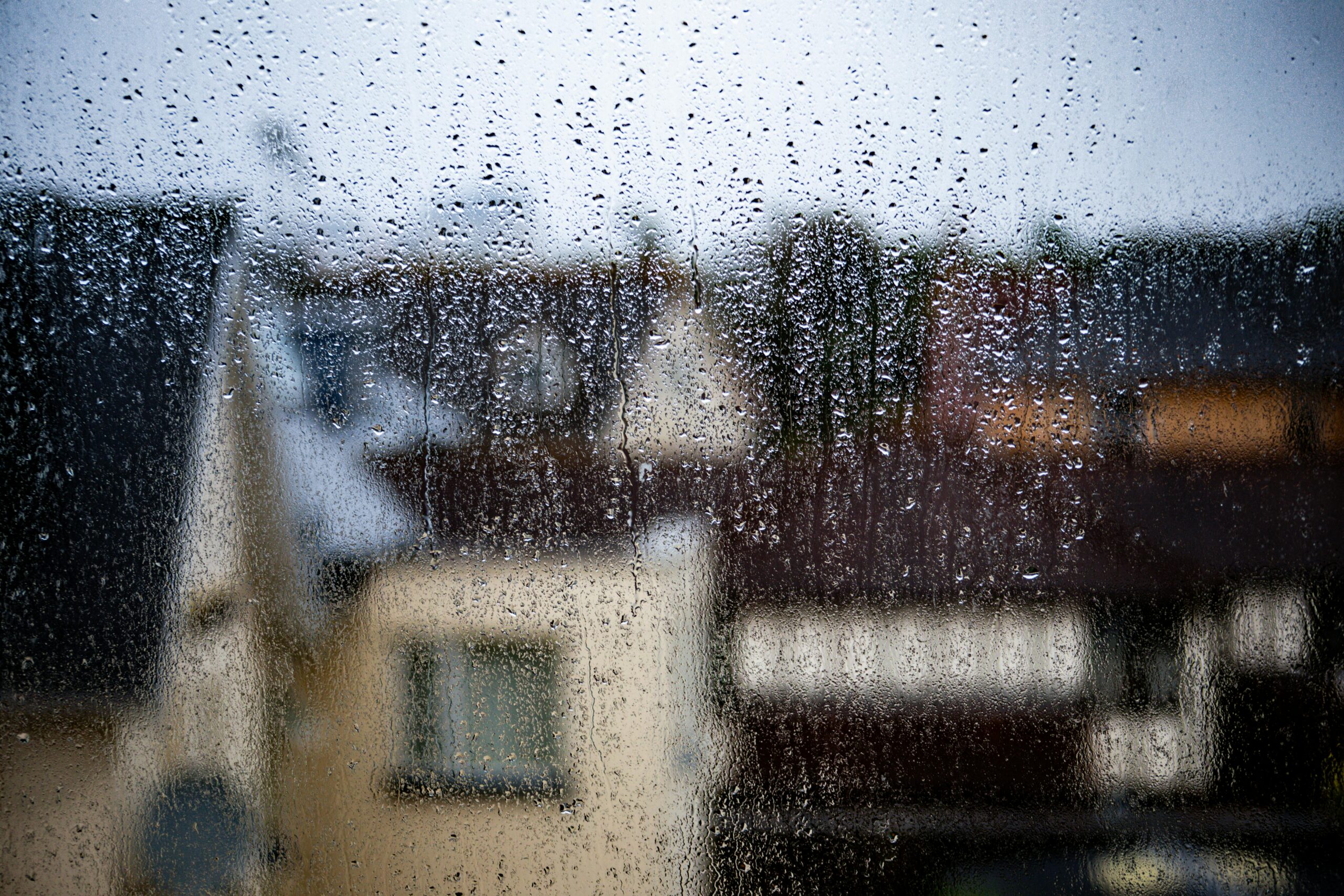
Effective damp management is essential for sectional title schemes to ensure a healthy living environment and protect property value.
Understanding Damp Issues in Sectional Title Schemes
Sectional title schemes, encompassing multi-unit residential properties like apartment complexes and townhouses, offer numerous benefits, including shared maintenance responsibilities and community living. However, they also come with unique challenges, one of the most pressing being damp issues. Dampness can lead to a cascading series of problems, from structural damage to health hazards. Understanding the root causes and implications of damp in such settings is the first step toward effective management.
Dampness in sectional title schemes can manifest in various forms, including rising damp, penetrating damp, and condensation. Each type has different causes and requires specific approaches for management. Rising damp typically occurs when moisture from the ground travels up through the walls due to capillary action. Penetrating damp results from water entering the building through defects or cracks in the exterior walls. Condensation dampness is often a byproduct of poor ventilation and high humidity levels inside the units.
The communal nature of sectional title schemes complicates damp management. Water ingress in one unit can easily spread to adjacent units, making it essential for all residents and the body corporate to work collaboratively. Effective damp management not only protects the individual units but also preserves the structural integrity and aesthetic appeal of the entire complex. Understanding these dynamics is crucial for developing a comprehensive damp management strategy tailored to the unique needs of sectional title schemes.
Common Causes of Damp in Multi-Unit Dwellings
Identifying the common causes of damp in multi-unit dwellings is vital for implementing effective preventive measures. One of the primary causes is poor construction practices. Substandard materials, inadequate waterproofing, and improper drainage systems can all contribute to moisture ingress. Even minor construction flaws can lead to significant damp issues over time, particularly in older buildings where wear and tear exacerbate the problem.
Environmental factors also play a significant role in damp formation. Buildings located in areas with high rainfall or those exposed to frequent storms are more susceptible to damp issues. Additionally, proximity to water bodies or areas with high groundwater levels can increase the risk of rising damp. In such cases, the building’s design and materials should be tailored to withstand these environmental conditions to mitigate damp risks effectively.
Human activities within the units further contribute to damp problems. Inadequate ventilation, particularly in areas like bathrooms and kitchens, can lead to condensation. Over time, this moisture can seep into walls and ceilings, causing mold growth and structural damage. Furthermore, leaks from plumbing fixtures and appliances can introduce moisture into the building fabric, leading to persistent damp issues. Understanding these causes enables property managers and managing agents and residents to take proactive steps in damp prevention and control.
The Importance of Effective Damp Management
Effective damp management is crucial for maintaining a healthy and safe living environment in sectional title schemes. Dampness not only affects the aesthetic appeal of the units but also poses significant health risks. Prolonged exposure to damp conditions can lead to respiratory problems, allergies, and other health issues. Mold, a common consequence of damp, releases spores that can trigger asthma attacks and other respiratory ailments, particularly in vulnerable individuals such as children and the elderly.
From a financial perspective, damp management is essential for preserving property value. Dampness can cause structural damage, including weakened foundations, corroded metalwork, and decayed wood. These issues are costly to repair and can significantly reduce the market value of the property. Moreover, visible signs of damp can deter potential buyers or tenants, making it harder to sell or rent out units. Therefore, investing in effective damp management strategies can save property owners substantial amounts in long-term maintenance and repair costs.
Damp management is also a legal responsibility for body corporates if stemmed from common property. Neglecting damp issues can lead to legal disputes with residents. Effective damp management demonstrates a commitment to maintaining the property and ensuring the well-being of residents. It fosters a sense of trust and cooperation among residents, which is essential for the harmonious functioning of sectional title schemes. By prioritising damp management, body corporates can uphold their legal responsibilities and promote a positive living environment.
Identifying Signs of Dampness in Your Property
Early identification of dampness is crucial for timely intervention and remediation. One of the most apparent signs of damp is the presence of mold or mildew on walls, ceilings, or floors. These fungi thrive in moist environments and can appear as black, green, or white patches. Mold growth is often accompanied by a musty odor, which can be a telltale sign of damp even if the mold is not immediately visible.
Another common indicator of dampness is the appearance of damp patches or stains on walls and ceilings. These patches may feel cold and damp to the touch and can vary in color from yellow to brown. In cases of rising damp, the patches are usually found at the lower levels of walls, while penetrating damp can cause patches at any height. Additionally, peeling paint or wallpaper, as well as flaking plaster, are signs that moisture is affecting the building materials.
Condensation on windows and walls is another sign of dampness, particularly in poorly ventilated areas. This moisture can lead to water droplets forming on surfaces, which can eventually seep into the building fabric. In more severe cases, you may notice structural damage such as cracks in walls or ceilings, warped wood, or rusting metal components. Regular inspections and prompt attention to these signs can help prevent the progression of damp issues and mitigate their impact on the property.
Preventative Measures for Damp Control
Implementing preventative measures is the most effective way to manage damp in sectional title schemes. One of the key strategies is ensuring proper ventilation throughout the units. Installing extractor fans in kitchens and bathrooms can help remove excess moisture from the air, reducing the risk of condensation. Additionally, encouraging residents to use dehumidifiers and keep windows open when possible can further improve indoor air quality and prevent dampness.
Proper insulation and waterproofing are critical components of damp prevention. Ensuring that walls, roofs, and floors are adequately insulated can help maintain a consistent indoor temperature and reduce condensation. Waterproofing measures, such as applying sealants to exterior walls and using damp-proof membranes in construction, can prevent water ingress from external sources. Regular maintenance and inspection of these protective measures are essential to ensure their continued effectiveness.
Addressing plumbing issues promptly is another crucial aspect of damp prevention. Leaks from pipes, fixtures, and appliances can introduce significant amounts of moisture into the building fabric. Regularly inspecting and maintaining plumbing systems can help identify and rectify leaks before they cause extensive damage. Additionally, ensuring that gutters and downspouts are clear of debris and functioning correctly can prevent water from pooling around the building and causing damp issues. By taking these preventative measures, property managers and residents can significantly reduce the risk of damp in sectional title schemes.
Best Practices for Maintaining Common Areas
Maintaining common areas is a collective responsibility that plays a vital role in damp management within sectional title schemes. These areas, including hallways, stairwells, and communal gardens, are often prone to damp issues due to high foot traffic and exposure to the elements. Implementing regular maintenance routines and best practices can help prevent dampness and ensure a healthy living environment for all residents.
One of the best practices for maintaining common areas is conducting regular inspections. These inspections should focus on identifying signs of damp, such as mold growth, damp patches, and condensation. Any issues found should be addressed promptly to prevent them from escalating. Additionally, ensuring that common areas are well-ventilated can help reduce moisture levels and prevent condensation. Installing ventilation systems or keeping windows open in these areas can significantly improve air circulation.
Cleaning and maintaining the exterior of the building is equally important in damp prevention. Ensuring that the building’s facade is free from cracks and defects can prevent water from penetrating the walls. Regularly cleaning gutters and downspouts to remove debris can prevent water from overflowing and causing damp issues. Landscaping maintenance, such as trimming trees and shrubs away from the building, can also help prevent moisture from accumulating around the structure. By following these best practices, sectional title schemes can maintain damp-free common areas and foster a healthy living environment for all residents.
Legal Responsibilities of Body Corporates Regarding Damp
Body corporates have a legal obligation to manage external damp issues within sectional title schemes effectively. These responsibilities are often outlined in property laws and regulations, which vary by region but generally emphasise the importance of maintaining the property’s structural integrity and ensuring the well-being of residents. Failing to address damp issues can lead to legal disputes, financial penalties, and damage to the body corporate’s reputation.
One of the primary legal responsibilities of body corporates is to conduct regular maintenance and inspections of the property. This includes identifying and addressing damp issues in both individual units and common areas. Body corporates must ensure that the building complies with relevant building codes and standards, which often include provisions for waterproofing, insulation, and ventilation. Additionally, body corporates are responsible for maintaining shared infrastructure, such as plumbing and drainage systems, which can significantly impact damp issues.
Engaging Professionals for Damp Assessment and Remediation
Engaging professionals for damp assessment and remediation is a crucial step in managing damp issues within sectional title schemes. Professional damp specialists have the expertise and equipment needed to accurately diagnose the extent and cause of damp problems. They can conduct thorough inspections, including moisture mapping and thermal imaging, to identify hidden damp issues that may not be immediately visible.
Professional assessment is particularly important for identifying the root cause of damp issues. While surface symptoms, such as mold growth and damp patches, are easily noticeable, the underlying cause may be more challenging to determine. Professionals can pinpoint issues such as plumbing leaks, structural defects, or inadequate waterproofing that contribute to dampness. By accurately diagnosing the problem, they can recommend targeted remediation strategies that address the source of the issue rather than just the symptoms.
Remediation of damp issues often requires specialised techniques and treatments that professionals are best equipped to handle. This may include applying waterproofing membranes, injecting damp-proof courses, or using chemical treatments to eliminate mold and mildew. Additionally, professionals can provide recommendations for ongoing maintenance and preventive measures to ensure that damp issues do not recur. By engaging professionals for damp assessment and remediation, sectional title schemes can effectively address damp issues and maintain a healthy living environment.
Cost-Effective Solutions for Damp Management
Managing damp issues can be a significant financial burden, but there are cost-effective solutions that sectional title schemes can implement to mitigate these expenses. One of the most effective ways to manage costs is through preventive maintenance. Regular inspections and maintenance of the property’s waterproofing, plumbing, and ventilation systems can help identify and address potential damp issues before they become severe and costly to repair.
Another cost-effective solution is to invest in high-quality materials and construction practices. While the initial investment may be higher, using durable materials and proper construction techniques can reduce the likelihood of damp issues and the associated repair costs in the long run. For example, installing damp-proof membranes during construction or renovation can prevent rising damp and save on future remediation expenses. Additionally, ensuring that the building is well-insulated and ventilated can reduce the risk of condensation and the need for costly mold remediation.
Educating residents about damp prevention is also a cost-effective strategy (Hence our, Solver Property Services, decision to draft this article). By providing residents with information on how to prevent damp issues within their units, such as proper ventilation and timely reporting of leaks, sectional title schemes can reduce the occurrence of damp problems and the associated costs both for the owner (internal matters) and the Body Corporate (for external matters). By implementing these cost-effective solutions, sectional title schemes can effectively manage damp issues and reduce their financial impact.
Building a Damp-Free Environment in Sectional Title Schemes
Creating a damp-free environment in sectional title schemes requires a comprehensive and collaborative approach. Understanding the causes and implications of damp issues, implementing preventive measures, and engaging professionals for assessment and remediation are all essential components of effective damp management. By maintaining both individual units and common areas, body corporates can ensure a healthy and safe living environment for all residents.
Legal responsibilities play a crucial role in damp management, and body corporates must fulfill their obligations to maintain the property’s structural integrity and protect residents’ well-being. Timely maintenance is key to preventing and addressing damp issues. Additionally, investing in high-quality materials and construction practices can provide cost-effective solutions for managing damp.
Ultimately, effective damp management is not only about addressing existing issues but also about creating a proactive and prevention-focused culture within sectional title schemes. By working together and prioritising damp management, body corporates and residents can build a healthy, safe, and desirable living environment, preserving property value and enhancing the quality of life for everyone in the community.
Contact Solver here to assist your body corporate in addressing any issues like damp management.
Disclaimer: This article is for general informational purposes only and should not be considered legal advice. Community Schemes should consult professional legal advisors to ensure compliance with applicable laws and regulations.
Solver Property Services is a leading property management company in South Africa, dedicated to supporting community schemes since 2005. For more information, contact us at 010 822 2882 – our expert team is ready to assist you.